Kids & families
Little spines, gentle hands.
Dr. Espinosa’s own three children have been adjusted since birth. For kids, adjustments are modified to match their size, with lighter pressure and smaller techniques, so the visit is comfortable and even fun.
A kid’s first visit
What happens at a visit?
The same careful start as for grown-ups, sized down for little ones.
We talk
A thorough history: how they were born, falls and sports, sleep, school, and what you’ve noticed.
A gentle check
Posture, how they move and the spine itself, one joint at a time.
Answers
What’s going on and why, whether chiropractic can help, how long it should take, and the fees.
A size-matched adjustment
Lighter pressure and smaller techniques, matched to their size and age.
Spine Safari
Count the bones!
Your spine is a stack of little bones called vertebrae. Tap a part of it and count along.
0 bones counted
Tap a part of the spine and we’ll count its bones together. Start with your neck!
Your 7 neck bones hold up your head, which weighs about as much as a bowling ball. An elephant has 7 neck bones too. So does a giraffe!
Your 12 middle-back bones each hold a pair of ribs. Together they make a cage that keeps your heart and lungs safe.
Your 5 low-back bones are the biggest, because they carry the most weight. Bend your knees when you lift and they’ll thank you.
The sacrum starts out as 5 little bones that slowly join into one as you grow up. It connects your spine to your hips.
Your tailbone is a few tiny bones joined together. An elephant’s keeps going, all the way down its tail!
That’s 24 bones that move, plus the sacrum and tailbone. Babies start out with about 33 separate vertebrae; some join together as they grow.
Backpack check
Is the backpack too heavy?
A backpack should weigh no more than 10–15% of your child’s body weight. Slide to check yours.
Not sure? Weigh yourself on the bathroom scale with the backpack, then without it.
A backpack should weigh no more than 10–15% of your child’s body weight. For a 60 lb child, that’s 6 to 9 lb.
Pack it right
- Heavy things (books, laptop) closest to the back, in the middle.
- Padded straps at least 2 inches wide, and a padded back.
- Use the waist belt: it moves the weight to the hips.
Wear it right
- Both straps, every day. One shoulder twists the spine.
- It should sit about 2 inches above the waist, even on both shoulders.
- Use a locker between classes if the school allows it.
When to bring them in
Signs worth a check.
Growing pains are real and usually pass on their own. These are different.
After a tumble
- A playground fall or a bike or scooter spill
- A sports collision or a hard landing
- A sudden stop in the car
Posture red flags
- Rounded shoulders or head-forward posture
- One shoulder or hip higher than the other
- Slouching under the backpack
Not just growing pains
- Pain in one spot: neck, shoulders or low back
- Pain that’s worse after sports or school
- Stiffness that doesn’t ease with rest, or frequent headaches
Molly’s story
From painful cries to big smiles and giggles.
When my infant daughter was born we discovered she had some nerve issues. She developed torticollis (head stuck in rotation). Molly could not straighten her neck having to tilt her head to the right. We visited our pediatrician who told us to monitor her. I spoke to Dr. Ray about Molly’s condition and decided to have him start treating her. Molly began straightening her head and started enjoying adjustments, going from painful cries to big smiles and giggles. Now Molly is able to keep her head and neck straight and flexible. There is no other person I would trust more with me or my family’s health than Dr. Espinosa.
Kyle G., Molly’s dad
For parents
Good reads for growing families.
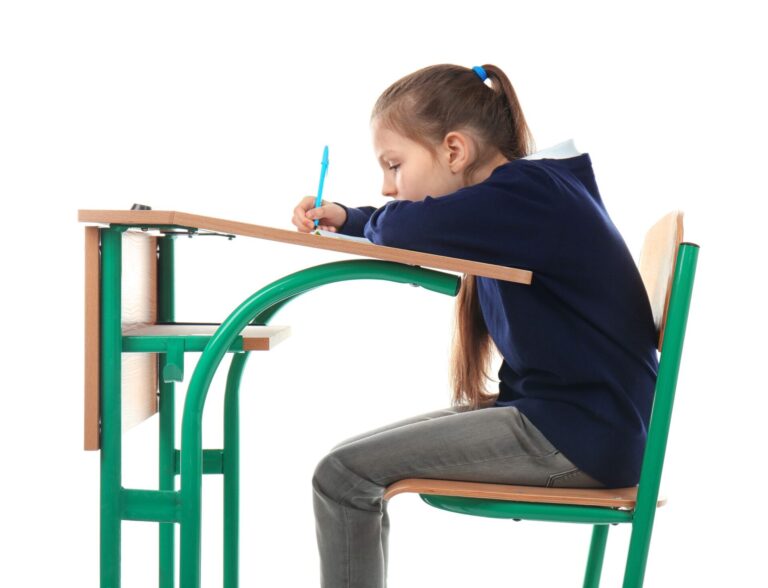 Article · May 1, 2026Growing Pains or Something More?Why Kids Need Chiropractic Care Every parent hears it: “My legs hurt!” At night, often in children between ages 3…
 Article · Aug 6, 2026Backpack PosturePoor backpack habits can create spinal misalignment and chronic pain in growing children. Discover proper backpack selection, weight limits, wearing…
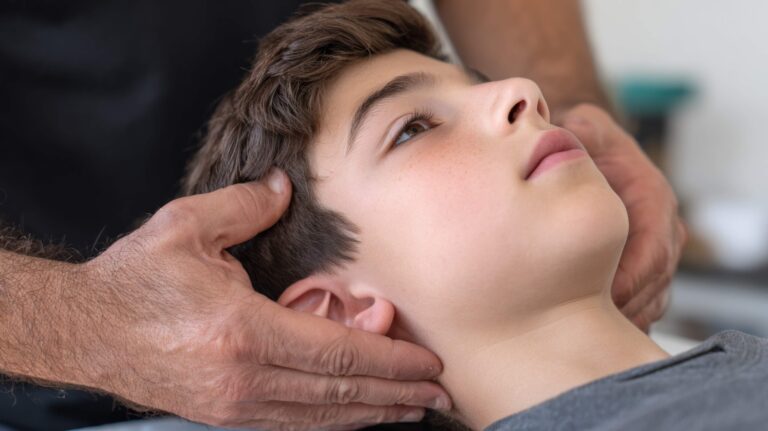 Article · Jul 17, 2026Kids Recover Faster with Chiropractic CareChildren's flexible spines respond quickly to gentle chiropractic adjustments, helping them recover from falls and injuries while preventing compensation patterns…
 Article · May 28, 2026Young AthletesRepetitive sports motions stress young spines. Discover how chiropractic care, posture, and core strength prevent injuries and keep youth athletes…
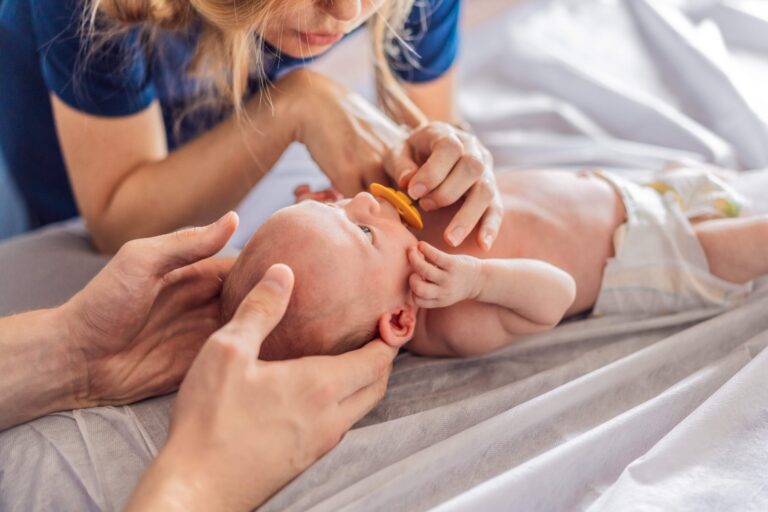 Article · Jul 30, 2026Your Baby’s Ear InfectionsSpinal misalignments can interfere with ear drainage and immune function in infants. Discover how birth trauma may affect your baby's…
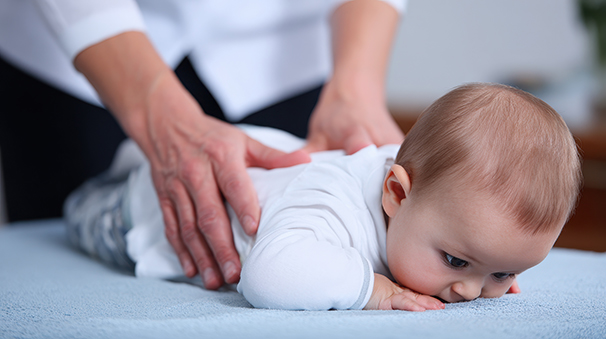 Article · May 7, 2026From Crawling to ClickingEarly movement patterns and screen exposure in childhood establish postural habits that persist into adulthood. Establishing healthy movement habits now…

25 years in business · 20 on Folsom Blvd
Bring the whole herd.
Newborns, teens, grown-ups and grandparents. Call the front desk and Amy will find a time that works for everyone.